

Farming Correspondent


Rwanda has been commended for reforms aimed at improving fertiliser access, restoring soil health and increasing agricultural productivity, with industry experts citing the country as an example of how governments and the private sector can work together to address challenges facing farmers.
The Africa Fertilizer Industrial Development Association (AFIDA) praised Rwanda’s approach during a side event at the Africa Food Systems Forum in Kigali on September 2, where participants discussed private-sector investment in fertiliser and soil health.
AFIDA Director General Innocent Okuku said Rwanda had made significant progress by combining fertiliser subsidies with efforts to develop products specifically suited to the country’s soils and crops.
“Rwanda has introduced improved fertiliser blends for farmers,” Okuku said, noting that customised products could help correct nutrient deficiencies and improve agricultural production.

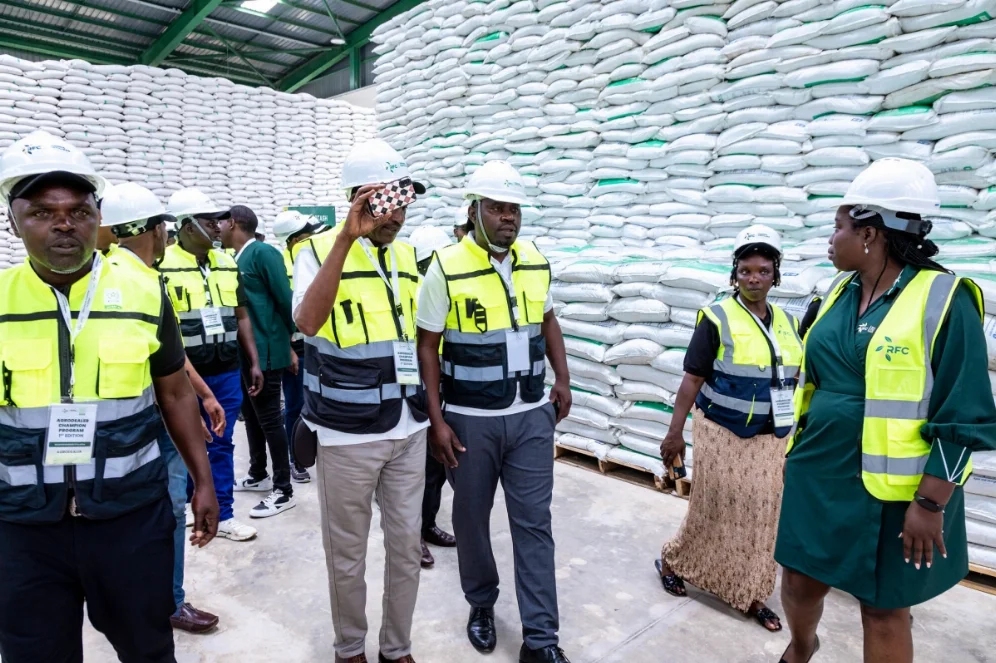
The development of locally adapted fertilisers represents a shift from the use of standard products that were not necessarily tailored to Rwanda’s diverse soil conditions or individual crops.
The new “Made in Rwanda” fertiliser blends have been developed in collaboration with the Rwanda Agriculture and Animal Resources Development Board (RAB), using data generated through the Rwanda Soil Information System (RwaSIS).
The approach is intended to ensure that farmers receive fertiliser formulations based on the specific nutrient requirements of their soils and crops, rather than relying on a one-size-fits-all model.
Okuku said soil degradation remained a major challenge across Africa, making the restoration and sustainable management of soils critical to efforts to raise agricultural output.
He also urged governments and fertiliser companies to look beyond conventional mineral fertilisers and invest in complementary soil-health products, including lime and organic fertilisers.
“Fertiliser is neither inherently good nor bad. It can be beneficial if it is used correctly, but it can have negative effects if it is misused,” he said.
Rwanda’s reforms come as the government significantly increases its financial support for fertiliser purchases amid a sharp rise in international prices.
The government has said it will absorb about half of the increase in fertiliser prices to protect farmers from the impact of higher international costs and encourage greater fertiliser use.
The country’s fertiliser application rate has already risen from about 73 kilogrammes per hectare in 2024 to 80 kilogrammes per hectare in 2026, with the government targeting 94.6 kilogrammes per hectare by 2029.

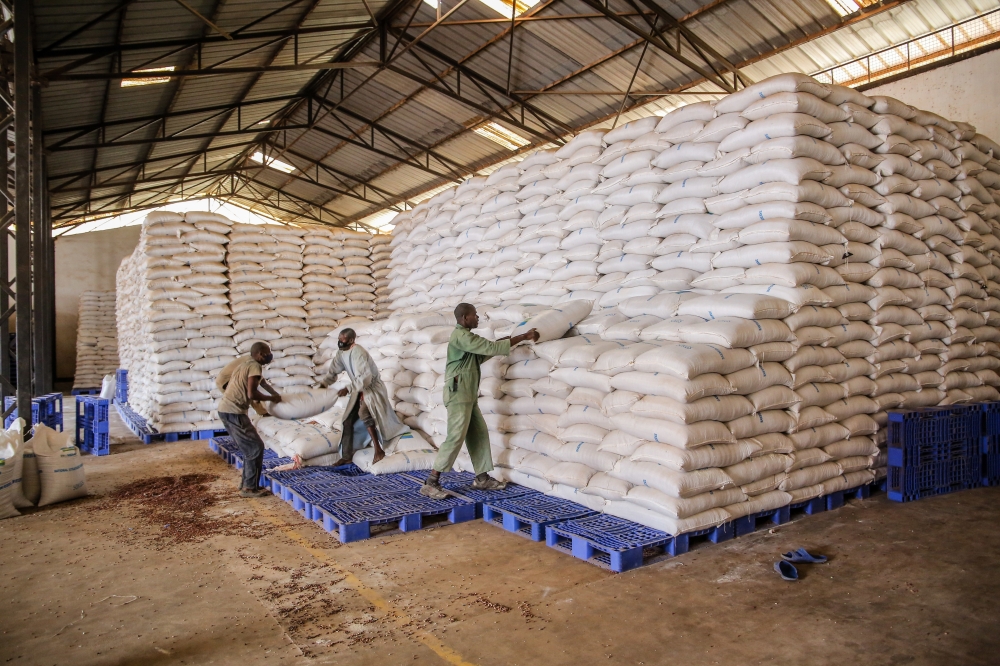
Private sector seeks deeper role
Yara International, one of the companies involved in Rwanda’s fertiliser market, is also seeking to expand its collaboration with the government through the country’s Food Basket Sites Initiative.
Yara’s Director of Government Relations and Public Affairs for Africa, Winnie Nganga, said the company had identified several food basket sites where it could provide fertiliser solutions based on soil testing and crop requirements.
RAB has mapped 13,379 food basket sites covering more than 495,000 hectares across Rwanda. The sites have been assessed, with agronomists assigned to support farmers in improving productivity.
Nganga said Yara was conducting soil tests to develop fertiliser products adapted to local conditions and had already developed several products specifically for Rwanda.
The company currently supplies the Rwandan market from its blending facility in Tanzania, although it has longer-term plans to expand its operations in Rwanda.
Rwanda is also seeking to reduce its vulnerability to international fertiliser price shocks by increasing local production.
About 60,000 tonnes of fertiliser are expected to be available for the 2027A season, with approximately 25,000 tonnes projected to come from domestic production — equivalent to about 40% of national requirements.
The government has said greater local production will help strengthen the fertiliser supply chain and reduce farmers’ exposure to global market disruptions.