By Munashe Gwaze


Somalia is reviewing the economic benefits and challenges of its membership in the East African Community (EAC), nearly two years after joining the regional bloc, amid calls for urgent reforms to unlock trade, investment and employment opportunities.
The assessment comes as government officials, investors and diplomats push Mogadishu to translate its regional integration commitments into tangible benefits for businesses and citizens.
The discussions took centre stage at the third East African Community Opportunities Conference (EACON 2026), held in Mogadishu, where about 800 participants examined Somalia’s progress, outstanding challenges and prospects within the eight-member bloc.
Somalia became the EAC’s eighth partner state after the bloc admitted it in November 2023, with full membership formalised in March 2024 following ratification of its accession treaty.
However, stakeholders say membership alone will not guarantee economic gains without reforms to domestic laws, customs systems, trade regulations and public institutions.
Opening the conference, EACON chairperson Amina Sheikh Omar said regional integration must deliver practical opportunities rather than remain a formal commitment.
“Regional integration is not defined by membership alone, but by our ability to translate shared commitments into meaningful opportunities for our institutions, businesses and citizens,” she said.

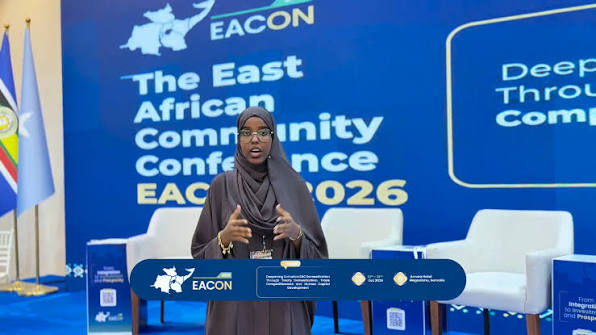
She identified strengthening legal and institutional frameworks, meeting regional standards and improving policy coordination across government as key priorities.
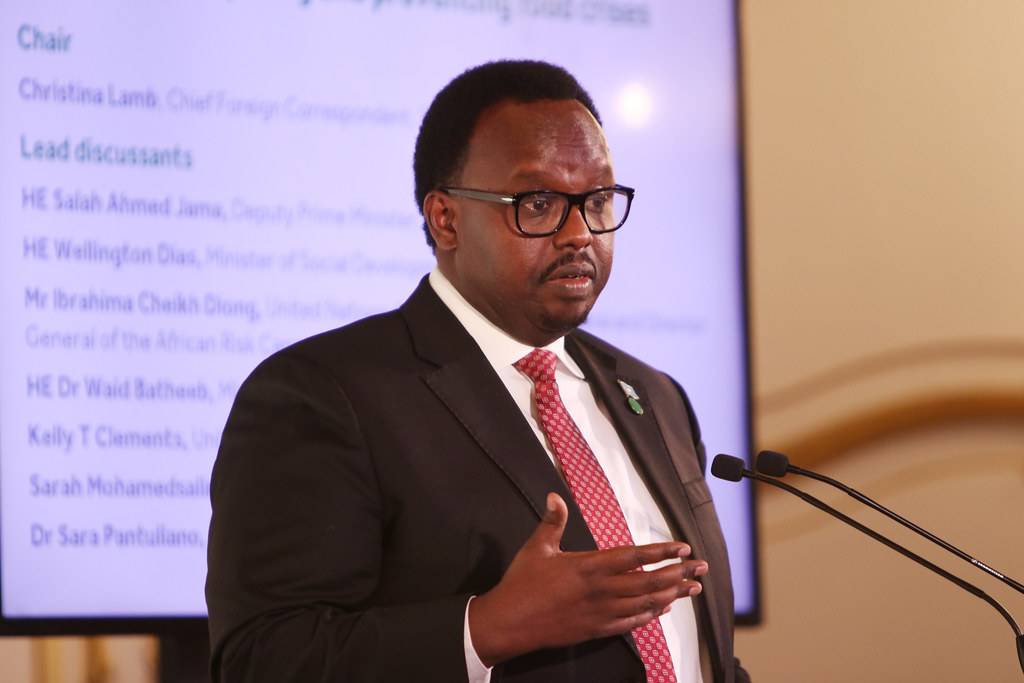
Somalia’s Deputy Prime Minister, Salah Ahmed Jama, reaffirmed the government’s commitment to the regional bloc, saying the country was gradually working towards establishing functional national laws to support integration.
He stressed that human capital and business competitiveness must remain central to the process, with economic growth ultimately improving living standards.
The conference examined reforms needed to align Somalia’s domestic policies with EAC requirements, particularly in customs administration, investment regulation, education standards and institutional coordination.
Participants also called for improved border controls, more efficient customs procedures and adequate funding to strengthen institutions responsible for facilitating trade.
These reforms are considered essential if Somali businesses are to participate effectively in regional value chains and expand their access to markets across East Africa.
Security remains another major obstacle to realising the benefits of membership, with officials acknowledging that instability continues to undermine the country’s ability to exploit emerging commercial opportunities.
Somalia’s strategic position along the Indian Ocean and its extensive coastline could nevertheless make it an important regional gateway for trade, logistics and investment.
Membership of the EAC offers the country the prospect of deeper economic ties with neighbouring states, improved movement of goods and people, and greater participation in regional infrastructure and development initiatives.
However, Somalia must implement the bloc’s integration frameworks, including the Customs Union and Common Market protocols, to realise these opportunities fully.
The country is also pursuing membership of the World Trade Organisation (WTO), creating a need to coordinate its international trade commitments with its regional obligations.
Maika Oshikawa, director of the WTO Accessions Division, said the two processes could complement each other if Somalia coordinated its trade and regulatory reforms effectively.
“WTO accession and EAC integration could reinforce each other, if national trade and regulatory reforms are coordinated effectively,” she said.
Traders at the conference called for predictable regulations, streamlined border procedures and the removal of non-tariff barriers that increase the cost of doing business.
The conference’s final declaration, called for an accelerated and coordinated process to incorporate Somalia’s EAC obligations into national laws, regulations, policies and administrative procedures.
It also urged the government to improve logistics infrastructure, strengthen product standards and certification systems, expand trade finance and develop more efficient payment systems.
Participants called for a shift from broadly promoting investment opportunities towards developing viable, investment-ready projects capable of attracting financing and generating jobs.
Education and skills development also emerged as priorities, with stakeholders urging greater investment in universities, technical and vocational training institutions and research organisations to equip young Somalis for regional employment and business opportunities.
Somalia’s private sector, particularly small and medium-sized enterprises, will be central to determining whether integration produces meaningful economic benefits.
The conference declaration called on government institutions, Parliament, financial institutions, chambers of commerce and development partners to create an enabling environment through predictable regulation, access to finance, improved infrastructure and stronger export support.
Mohamed Ad’ed Ali Shire, executive director of Somali civil society, backed calls for faster implementation, stronger competitiveness, productive investment and skills mobility.
“Short of building competitive markets and expanding regional trade, Somalia is likely to be a market rather than a true player,” he warned.