


















By Our Correspondent

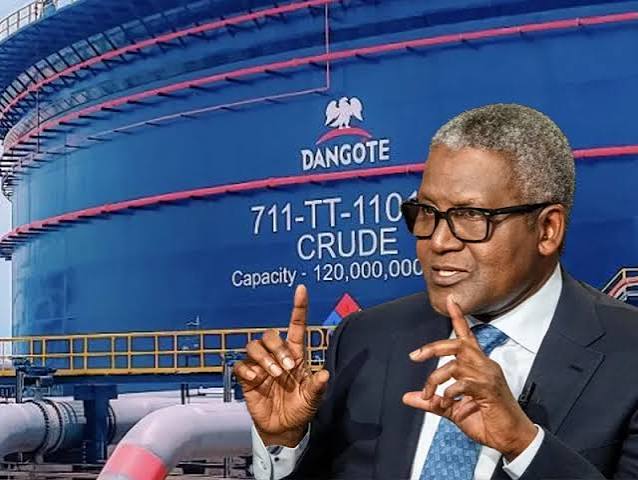
Africa’s richest businessman, Aliko Dangote, is pursuing an ambitious expansion strategy that could transform his conglomerate into a $100 billion-revenue industrial powerhouse by 2030, with oil refining and fertiliser production at the centre of the plan.
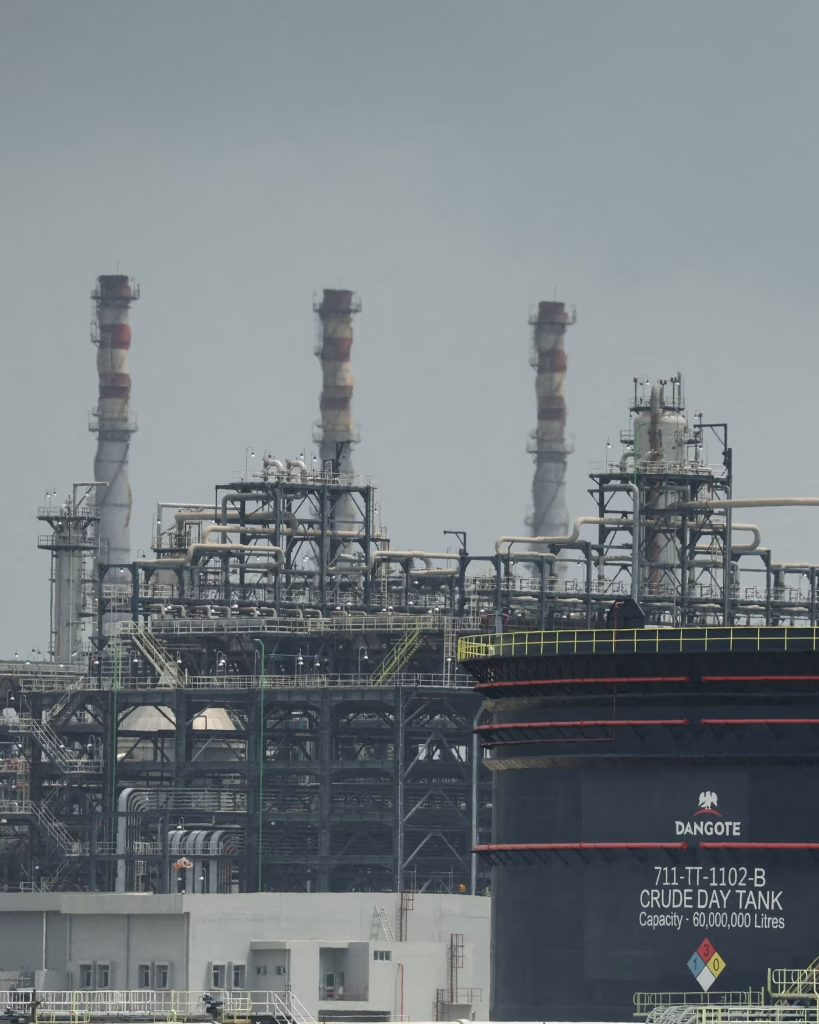
The strategy is built around the Dangote Petroleum Refinery in Lagos and the group’s fertiliser and petrochemical operations, which are increasingly positioning the Nigerian conglomerate as a major player in Africa’s energy and agricultural markets.
Dangote’s $20 billion refinery, one of the world’s largest single-train facilities, has already altered Nigeria’s petroleum landscape by reducing the country’s long-standing dependence on imported refined fuel. The facility is also emerging as an important supplier to other African markets, with refined petroleum products available for export.
The company’s ambitions extend beyond Nigeria. A planned 2,000-kilometre pipeline from a proposed storage facility in Namibia is expected to facilitate the movement of petrol, diesel and kerosene into markets including Botswana, Zimbabwe and Zambia, potentially giving Dangote a greater role in the Southern African fuel supply chain.
For Zimbabwe and its regional neighbours, the development could have significant implications. The country’s fuel market relies heavily on imports, while landlocked markets across Southern Africa face high logistics costs and vulnerability to disruptions in international energy supply. A large-scale regional supply network backed by Dangote could provide an alternative source of refined petroleum products, although the commercial viability and implementation of the proposed pipeline remain key questions.
Dangote is also expanding his presence in Africa’s fertiliser industry, an area that could have far-reaching implications for food security and agricultural production on the continent.
In Ethiopia, the group plans to invest about $4 billion to expand fertiliser production and double cement output. The expansion forms part of a broader push to establish integrated industrial operations across African markets, linking raw materials, manufacturing and distribution.
The strategy reflects Dangote’s long-standing approach of investing in large-scale industries aimed at reducing Africa’s dependence on imports while creating domestic and regional supply chains.
The businessman began building his fortune through commodity trading before moving into cement and other manufacturing sectors. His rise has, however, attracted criticism from some quarters over his close relationships with successive Nigerian governments and the protectionist policies that have benefited some of his businesses. Supporters argue that his investments demonstrate that large-scale private capital can drive industrialisation in Africa.
The Dangote Group’s next phase will therefore be closely watched across the continent. Its expansion into energy and fertiliser comes at a time when African countries are seeking to strengthen energy security, increase local manufacturing and reduce exposure to global supply shocks.
Dangote has reportedly set his sights on making the group one of the world’s top 120 companies by 2030, with revenue targeted at $100 billion. The scale of that ambition means that the success of the refinery, fertiliser operations and planned regional infrastructure projects will be crucial to determining whether the conglomerate can make the leap from Africa’s dominant industrial group to a truly global corporate giant.
For Africa’s business community, the expansion represents more than a billionaire’s personal growth target. It is also a test of whether large African-owned industrial companies can build cross-border supply chains capable of competing with established global players while addressing some of the continent’s biggest economic challenges.