


























By Kudzai Jakachira

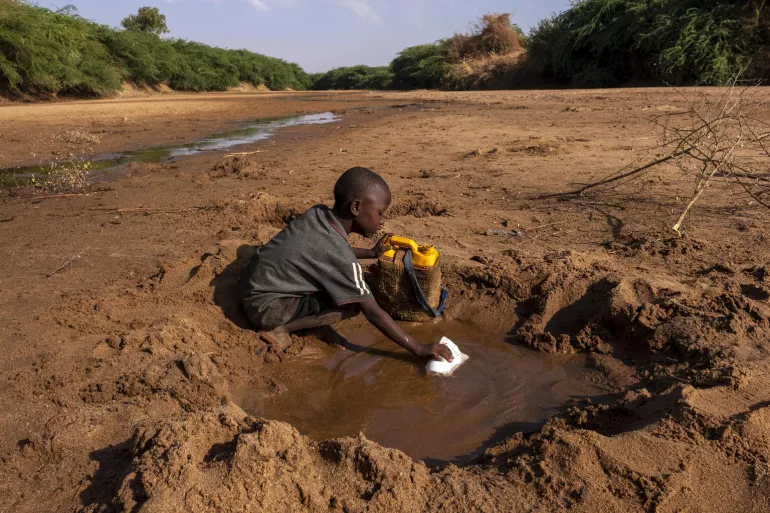
More than 162 million children across eastern and southern Africa are at risk from the strengthening 2026/2027 El Niño weather phenomenon, with drought, extreme heat and flooding threatening to worsen food insecurity, disease and disruption to essential services, UNICEF has warned.
The United Nations children’s agency said the affected children represent more than two-thirds of all children in the region, warning that governments, donors and humanitarian agencies have a narrow window to act before the worst impacts of the climate event are felt.
In a statement issued on Tuesday, UNICEF Regional Director for Eastern and Southern Africa Etleva Kadilli said the threat was already becoming evident.
“The threat from El Niño is growing, and the risks for children are already clear,” Kadilli said.
“Across the region, children are facing food and water insecurity, overstretched health services and disrupted learning. Further, major climate shocks will likely push children and the systems they rely on to breaking point.”
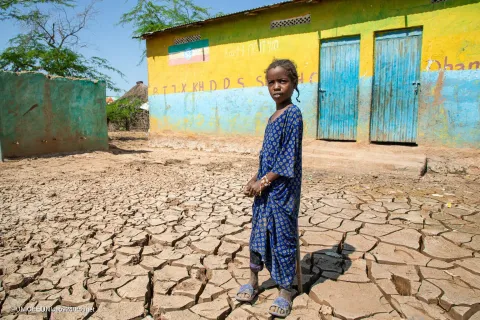
UNICEF said its assessments had identified urgent and overlapping risks in Djibouti, Eritrea, Ethiopia, Kenya, Madagascar, Malawi, Mozambique, Somalia, South Sudan, Sudan, Uganda, Zambia and Zimbabwe.
The agency warned that the consequences will vary across the region. east Africa faces an increased risk of flooding during the short-rains season, while parts of southern Africa could experience poor rainfall and harvests, potentially deepening food insecurity.
The effects on children could include rising malnutrition, disease outbreaks and interruptions to education, healthcare, water and sanitation services, with some consequences potentially continuing into 2027, UNICEF said.
Flooding and drought fears
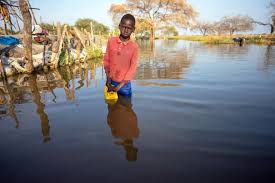
Somalia is among the countries facing significant flooding risks. UNICEF said up to 2.5million people could be directly affected under its most severe flood scenario, potentially forcing families from their homes and restricting children’s access to food, healthcare, safe water and education.
In Ethiopia, tens of thousands of children are expected to be affected, particularly in areas already experiencing severe food insecurity and heightened vulnerability.
South Sudan faces a combination of drought, extreme heat and localised flooding that could deepen food insecurity and malnutrition, increase disease outbreaks and compound existing risks of famine and large-scale displacement.
The warning comes as humanitarian systems across the region are already under considerable pressure from conflict, displacement, food insecurity and previous climate shocks.
UNICEF said that despite the importance of preparing ahead of disasters, less than 1% of international humanitarian assistance is currently available for anticipatory action.
The agency is therefore calling for increased investment before the effects of El Niño reach their peak.
UNICEF calls for early action
UNICEF is urging governments and humanitarian partners to scale up nutrition programmes by pre-positioning life-saving supplies and expanding early screening and treatment for malnutrition.
It is also calling for stronger health, water, sanitation and hygiene systems, including disease surveillance, vaccination campaigns and measures to guarantee access to safe water.
Schools and education systems should be prepared for possible disruption, while child-protection services need to be strengthened to protect vulnerable children from violence, exploitation and gender-based violence.
UNICEF is also advocating for shock-responsive social protection programmes, including anticipatory cash assistance linked to early-warning systems.
The agency said it urgently requires US$173 million from its existing 2026 Humanitarian Action for Children requirements to provide anticipatory and life-saving assistance to children and families in 13 priority countries.
“Early, flexible financing is critical now before the effects of El Niño intensify,” UNICEF said.
Kadilli urged the international community to act on forecasts rather than wait for humanitarian conditions to deteriorate.
“We know what is coming, which children are most at risk and how to protect them,” she said.
“The choice is whether the world responds now, or waits until the crisis escalates, and children pay an even greater price.”
UNICEF said early investment can also reduce the cost of responding to disasters, noting that every US$1 invested in disaster-risk reduction can save up to US$15 in future recovery costs.
El Niño is a natural climate pattern associated with unusually warm sea-surface temperatures in the Pacific Ocean, which can alter rainfall, temperatures and weather extremes across the world.
UNICEF said the effects of the current event are expected to unfold differently across eastern and southern Africa, but warned that its impact on children could be severe if governments and humanitarian agencies fail to act early.