





















Botswana is moving to secure a stake in a multi-billion-dollar oil refinery project in Angola as tensions around the Strait of Hormuz raise concerns about possible disruptions to global fuel supplies, prompting countries to strengthen their energy security and prepare for similar shocks in the future.

As tensions between the United States and Iran intensify, countries are increasingly seeking to secure energy supplies, pursuing new alliances and strategic investments to cushion their economies from geopolitical shocks.
Botswana is among those adjusting its approach. The landlocked southern African nation, which does not produce crude oil, relies entirely on imports of refined products, including petrol, diesel, paraffin and liquefied petroleum gas, most of which transit through South Africa.
In response, Botswana is moving to invest in a refinery project in neighbouring Angola, in a shift away from years of heavy reliance on diamonds, a sector that is now showing signs of slowing returns.
Botswana in talks to acquire stake in Lobito refinery
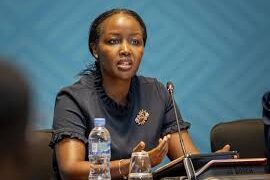
According to local media reports, the country’s Minister of Minerals and Energy, Bogolo Kenewendo, told Parliament that Botswana has been offered up to a 30 percent stake in a refinery project in Angola following President Duma Boko’s visit to the country last week.
“Last week we went with President Boko to Angola to hold talks with both the Angola President and Namibian President but I did not want to prematurely state this. So we have started talks with Angola to join in building their refinery project,” Kenewendo announced.
The project is understood to be the Lobito Oil Refinery, a major facility being developed by Sonangol, according to industry sources.
The refinery is expected to have a processing capacity of approximately 200,000 barrels per day and is estimated to cost about $6 billion, although projections indicate the figure could rise due to financing and construction considerations.
“Angola has petroleum, crude oil, and a refinery and they have now given us an opportunity to at least take 30% of the refinery, ” she told Parliament.
Kenewendo cautioned that discussions remain at a preliminary stage.
“The talks are ongoing currently to determine if we truly understand what the project is, how much it needs. So these talks are ongoing as we want to ensure that Botswana’s future in the petroleum sector is covered,” she said.
Angola is among Africa’s leading oil producers, with output estimated at between 1.1 million and 1.2 million barrels per day. The country exports the bulk of its crude to major international markets, including China, India and parts of Europe.
Its state-owned energy company, Sonangol, oversees upstream and downstream operations and is spearheading efforts to expand domestic refining capacity through projects such as Lobito.
Kenewendo further disclosed that Botswana is also exploring fuel procurement arrangements with Sonangol.
“When we were in Angola, President Boko held talks with Angola President that when SONANGOL buys its fuel for Angola, it also includes Botswana,” Kenewendo said.
She noted that discussions on this arrangement are ongoing, with further updates expected as engagements progress.
Business Insider