




























Mozambican authorities are considering reclaiming 134,000 hectares (1,340 km²) of idle land that could be returned to the state for future investment.

In making the announcement the Mozambican government called for stronger enforcement in monitoring unused land.
In a statement, the Ministry of Agriculture, Environment and Fisheries said the findings resulted from inspections of land use and territorial planning carried out as part of its activity review for 2025 and the first quarter of 2026.
“During these actions, more than 134,000 hectares of land were identified which may be recovered and returned to the state for future investment,” the ministry said.
The report also noted that 559 inspection actions were carried out, resulting in 74 fines totalling more than 2.3 million meticais (€30,900).
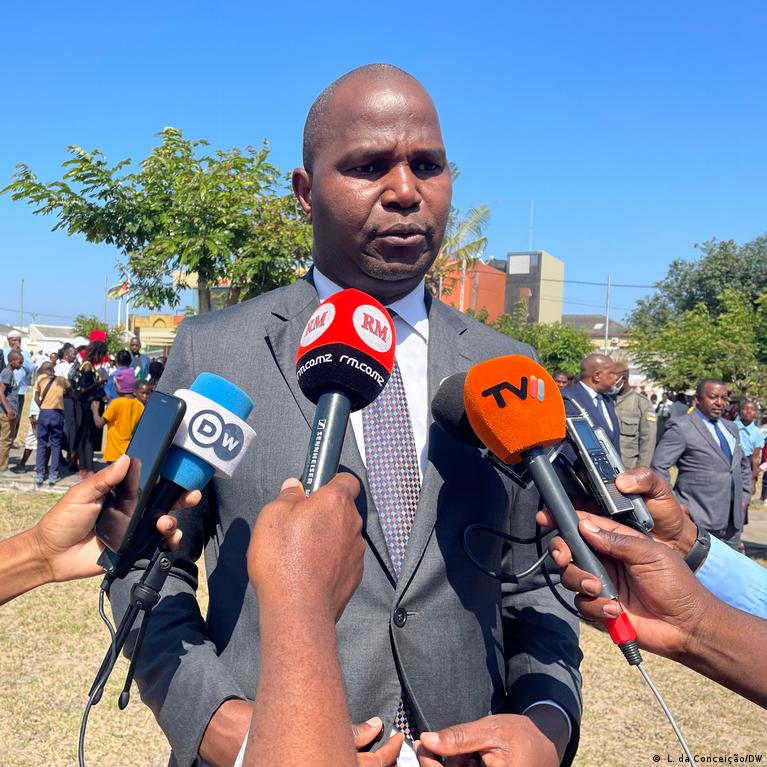
Following these results, Agriculture, Environment and Fisheries Minister Roberto Albino, quoted in the statement, called for stronger enforcement campaigns targeting idle land and faster procedures for returning land to the state, in order to enable new investment, particularly in food production.
In the area of environmental monitoring, the ministry said inspections were carried out on mining projects with “strong indications of pollution”, mainly in Manica and Tete in the centre, and Nampula and Niassa in the north, leading to improved compliance with environmental regulations by several mining companies.
“This development allowed for the lifting of the suspension of eight companies, a measure previously imposed by the Council of Ministers, while the suspension and monitoring of other companies remains in place,” it added.
The minister also called on the National Agency for Environmental Quality Control (AQUA), the regulatory authority, to prevent mining companies from operating outside the law and disregarding environmentally acceptable standards.
Roberto Albino said it is possible to reconcile natural resource exploitation in line with the law with employment opportunities for local communities.
He also reiterated a policy of “zero tolerance” towards the illegal trade of forest products, particularly timber and charcoal.
Club of Mozambique