
By a Correspondent


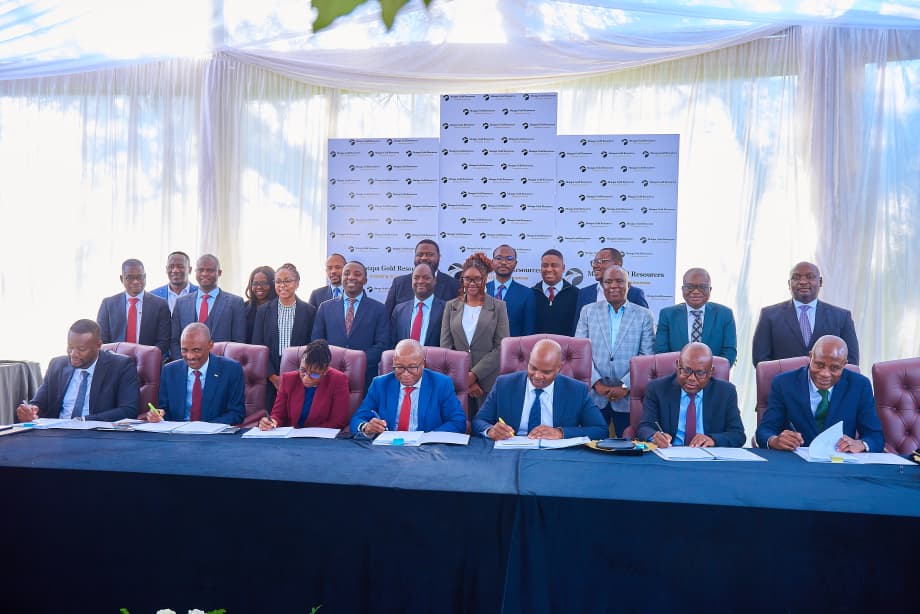
Zimbabwe’s state-owned gold mining company, Mutapa Gold Resources, has secured a US$125 million financing facility as it accelerates expansion plans aimed at increasing production and strengthening the country’s position in Africa’s gold mining industry.
The funding comes as Zimbabwe seeks to attract more capital into its mining sector and increase mineral production to support economic growth, foreign currency generation and job creation.
Mutapa Gold is targeting annual production of 220,000 ounces by 2029, up from 104,626 ounces produced in the financial year ended March 31. The company’s expansion strategy is expected to be driven by increased output from its major operations, including Shamva Hill and Jena Mine.
The financing package was led by CBZ Capital with a US$25 million commitment, alongside Ecobank (US$25 million), CABS (US$20 million), NMB Bank (US$15 million), ZB Bank (US$15 million) and FBC Bank (US$10 million).
Commitments amount to US$110 million, with additional participating institutions expected to complete the balance of the syndication.
Shamva Mine manager Engineer Gift Mapakame said the transaction represented more than the financing of a mining venture.
“This is a demonstration of what can be achieved when capital, technical expertise, institutional confidence and a shared vision come together,” Mapakame said at the signing ceremony.


The development is significant for Zimbabwe and the wider African mining sector, where governments are under increasing pressure to secure investment to unlock mineral resources and build greater value from the continent’s vast deposits.
Zimbabwe is one of Africa’s major gold producers and is seeking to raise annual gold output to 50 tonnes in 2026, following record production of 46.7 tonnes in 2025.
Gold remains a critical source of foreign currency for the country. The precious metal generated US$1.19 billion in export earnings during the first quarter of 2026, more than double the US$579 million recorded during the same period last year.
The expansion of Mutapa Gold comes against the backdrop of growing competition among African mining jurisdictions to attract funding for new mines, expansion projects and mineral processing infrastructure.
For Zimbabwe, increasing production by a state-owned mining company could also help the government capture a larger share of the value generated by the country’s gold resources, while strengthening its ability to influence the development of the strategic mining sector.
The company’s plans include expanding the Shamva Hill operation, which is expected to increase annual production from around 24,000 ounces to nearly 80,000 ounces. Mutapa Gold has reportedly secured US$75 million from local banks for the project, with efforts continuing to raise additional capital from international lenders.
The latest US$125 million facility could therefore provide further financial muscle for the company’s expansion programme at a time when access to affordable long-term capital remains a major challenge for mining companies across Africa.
The push to expand production also reflects a broader trend across the continent, where governments are seeking to move beyond the export of raw minerals by encouraging greater domestic processing and participation in mining value chains.
Zimbabwe’s gold sector is particularly important to the economy, with gold accounting for a substantial share of the country’s export earnings. The country’s gold exports reached about US$4.61 billion in 2025, representing nearly half of total exports.
The performance of Mutapa Gold will therefore be closely watched by investors and policymakers as Zimbabwe attempts to revive state participation in the mining industry and position the company as a major regional gold producer.
The success of the expansion programme could have implications beyond the company’s operations, potentially increasing Zimbabwe’s contribution to Africa’s gold supply while demonstrating whether state-owned mining companies can attract significant commercial financing to fund large-scale expansion.
For African investors, the development also highlights the continuing opportunities in the continent’s gold sector, even as mining companies face challenges ranging from financing constraints and regulatory uncertainty to infrastructure gaps and the need for greater local beneficiation.