











By a Correspondent

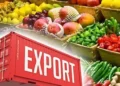
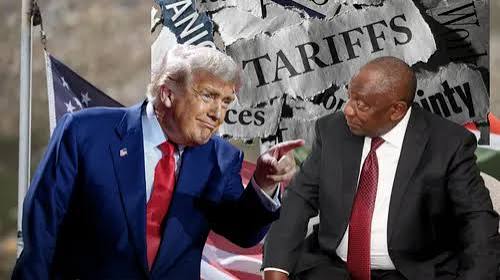
The United States has imposed a 12.5% tariff on affected South African exports, adding pressure to the country’s trade relationship with Washington and raising concerns for key export industries including automotive manufacturing, agriculture, metals and broader manufacturing.
The tariffs, which took effect on Friday, July 24, were introduced under Section 301 of the US Trade Act of 1974 as part of a wider US crackdown on countries Washington says have failed to effectively prevent the importation of goods produced using forced labour.
South Africa has been placed in the upper tariff tier alongside major economies including China, Japan and South Korea.
The move follows an investigation by the US Trade Representative (USTR) into 60 economies launched in March at the direction of President Donald Trump. The investigation included public hearings, consultations with governments and a review of more than 1,600 written submissions.
US Trade Representative Ambassador Jamieson Greer said the measures were intended to force trading partners to strengthen their efforts to eliminate forced labour from global supply chains.
“President Trump recognises that decades of moral suasion have not eradicated forced labour from global supply chains,” Greer said.
“The United States has had a forced labour import ban for nearly a century, and rigorously enforces it; it’s well past time for our trading partners to do the same.”
Greer said the tariffs were aimed at addressing both human rights concerns and what Washington considers unfair trade practices.
“The tariffs will help address both a human rights abuse and a distortive trade practice to improve the welfare of workers everywhere,” he said.
The USTR concluded in June that the failure by the economies under investigation to impose and effectively enforce restrictions on imports linked to forced labour was “unreasonable” and placed an unfair burden on US commerce.
South Africa had sought to avoid the tariffs through diplomatic engagement, arguing that it already had laws prohibiting forced labour and the importation of goods produced under forced-labour conditions.
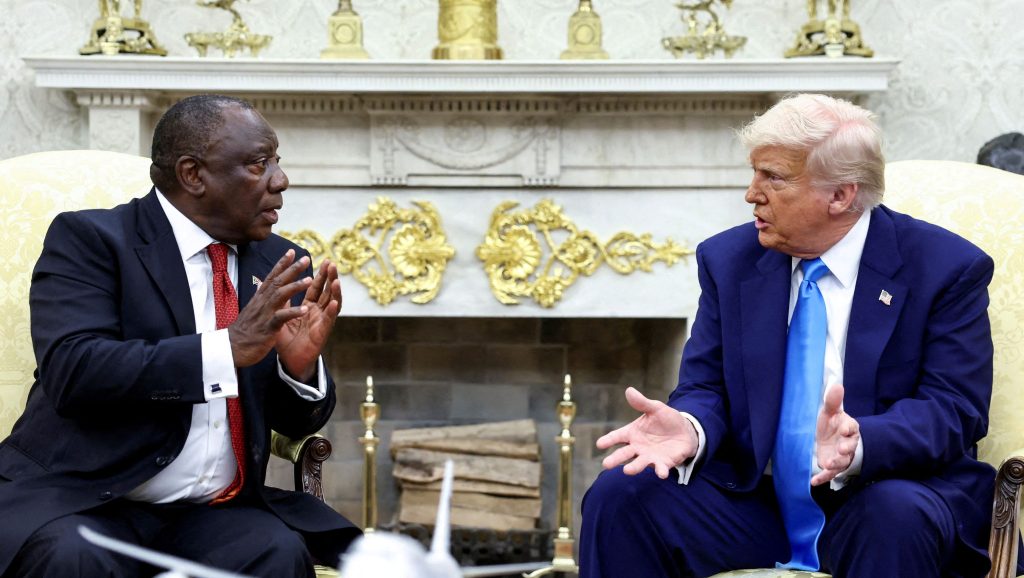
A delegation led by the Department of Trade, Industry and Competition (DTIC) presented South Africa’s case during the USTR’s public hearings.
“In the oral testimony, South Africa emphasised that the country has laws that prohibit forced labour and that the country has ratified the relevant International Labour Organisation fundamental Conventions,” the DTIC said.
“Further, South Africa has the legal framework to enforce the prohibition of the importation of goods produced using forced labour.”
The department also pointed to the International Trade Administration Act, which gives the government powers to prohibit or restrict imports where necessary, as well as the Customs and Excise Act, which allows the South African Revenue Service to stop, detain and seize prohibited goods at the country’s borders.
South Africa also bans products made through prison labour under Section 113 of the Customs and Excise Act.
Despite Pretoria’s arguments, Washington proceeded with the tariffs and did not grant South African exporters an exemption.
The new 12.5% levy is expected to affect a range of South African products sold into the US market, potentially increasing costs for exporters and putting additional pressure on businesses already navigating a challenging global trade environment.
However, not all South African exports will be affected. Products already subject to separate US sector-specific tariffs, including steel and aluminium, certain fertilisers and energy products, have been excluded from the latest Section 301 measures.
The latest action represents a fresh trade challenge for South Africa as businesses seek to maintain access to one of the country’s important overseas markets.
For exporters, the tariffs could increase the cost of South African goods in the US and potentially weaken their competitiveness against suppliers from countries facing lower duties. The impact is likely to be closely watched across the automotive, agricultural, metals and manufacturing sectors.
The US administration has described the move as the most sweeping international labour-rights action of its kind, while South Africa’s government maintains that it already has the legal framework required to prevent forced-labour goods from entering its market.
Under the latest US Section 301 tariffs announced on July 23, 2026, the other African countries affected alongside South Africa are: Algeria, Angola, Egypt, Libya, Morocco and Nigeria
These countries, like South Africa, are in the group facing a 12.5% Section 301 tariff on covered US imports, subject to product-specific exemptions. The US says the tariffs respond to what it considers failures to impose and effectively enforce bans on imports produced using forced labour.