

























By a Correspondent

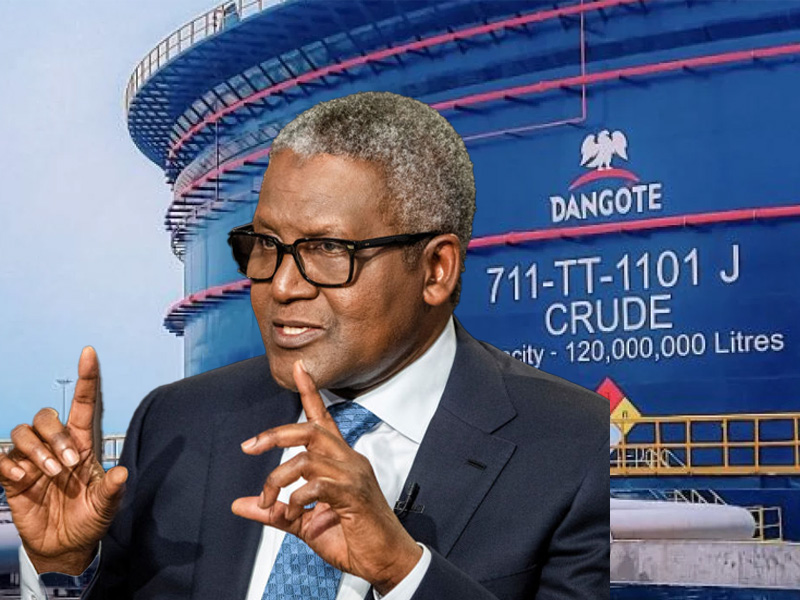
Togo and Cameroon emerged as the biggest African destinations for refined petroleum products from Nigeria’s Dangote Petroleum Refinery in July, highlighting the rapid expansion of the $20 billion facility into regional fuel markets.
The development marks another step in the refinery’s push to transform Nigeria from a major importer of refined petroleum products into a regional energy supplier, with its exports increasingly reaching markets across West and Central Africa.
According to a July loading schedule obtained by BusinessDay, 44 cargoes moved through the refinery’s marine terminals during the month. The shipments included petrol, diesel, jet fuel, gas oil and fuel oil, with cargoes destined for Nigerian buyers, African markets and international trading companies.
Togo and Cameroon accounted for the largest share of the refinery’s African-bound cargoes during the month, reinforcing their growing importance in Dangote’s regional export strategy.
The cargoes were sold or handled by a mix of major international trading houses, including Trafigura, Vitol, Glencore, Shell Trading, BP, Aramco, Unipec and Moeve Trading.
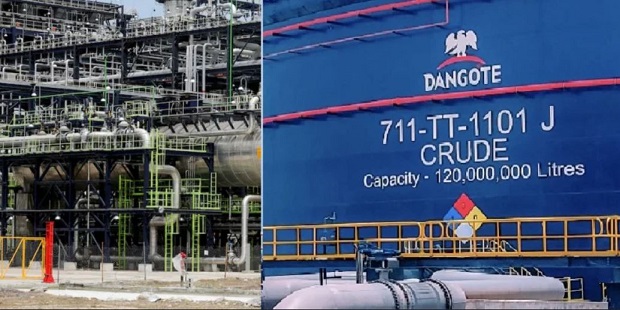
The growing flow of products from Lagos is significant for Africa’s energy markets, which have historically depended heavily on fuel imports from Europe, the Middle East and Asia. The emergence of Dangote as a major regional supplier could gradually reshape those trade routes by allowing African countries to source more petroleum products from within the continent.
For Togo, the development could further strengthen its position as a regional petroleum trading and distribution hub. The country’s strategic location on the Gulf of Guinea has historically made it an important gateway for fuel supplies into West African markets.
Cameroon’s growing purchases, meanwhile, underscore the refinery’s expanding reach beyond West Africa. The Central African country has long depended on imported refined products because of limited domestic refining capacity, making supplies from Nigeria a potentially closer and more competitive alternative to cargoes sourced from distant international markets.
Dangote’s regional expansion comes as the refinery ramps up production and seeks to capture a larger share of Africa’s fuel market. The facility, which has a nameplate capacity of 650,000 barrels per day, has already begun supplying several African markets, including Ghana, Côte d’Ivoire, Tanzania, Cameroon and Togo.
The shift could have major implications for Africa’s energy security. By increasing the availability of refined products from a large refinery on the continent, countries that have traditionally relied on long-distance imports may be able to shorten supply chains, reduce shipping exposure and improve access to fuel.
However, Dangote’s expansion also faces challenges, including the availability and cost of crude feedstock, competition from established international fuel suppliers and the volatility of global oil and shipping markets.
The refinery has previously faced constraints in securing sufficient domestic crude supplies, forcing it to source additional barrels internationally. That highlights one of the central contradictions facing Africa’s refining ambitions: even as the continent seeks to reduce its dependence on imported fuel, its refineries can still face difficulties obtaining enough competitively priced crude to operate at full capacity.
Nevertheless, the July cargo data points to a potentially important change in Africa’s petroleum trade. As Dangote increases its exports, Nigeria is positioning itself not only as one of the continent’s biggest crude oil producers but also as a growing supplier of finished petroleum products.
The rise of Togo and Cameroon as major buyers illustrates how the refinery is beginning to build a regional market around its Lagos base—potentially giving Nigeria greater influence over Africa’s increasingly strategic refined fuel trade.
The trend also supports Dangote’s broader ambition of reducing Africa’s reliance on imported fuels and developing a more integrated continental energy market. The company is now looking beyond Nigeria, with plans to expand its refining footprint, including a proposed refinery project in Kenya.
For African economies, the success of the Dangote model could ultimately determine whether the continent can move from being predominantly an importer of refined petroleum products to becoming a more self-sufficient and interconnected energy market.