


















Kelvin Jakachira

Rwanda has emerged as the African country with the strongest youth confidence in its national direction, with 91% of young people saying the country is moving in the right direction, according to the latest African Youth Survey 2026.
The finding places Rwanda at the top of the survey on national direction, highlighting a strikingly positive outlook among the country’s young population.
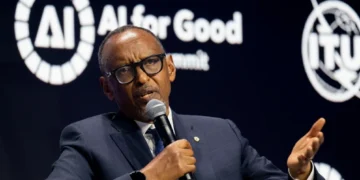
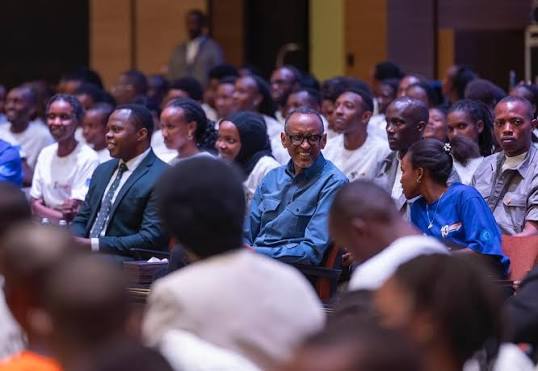
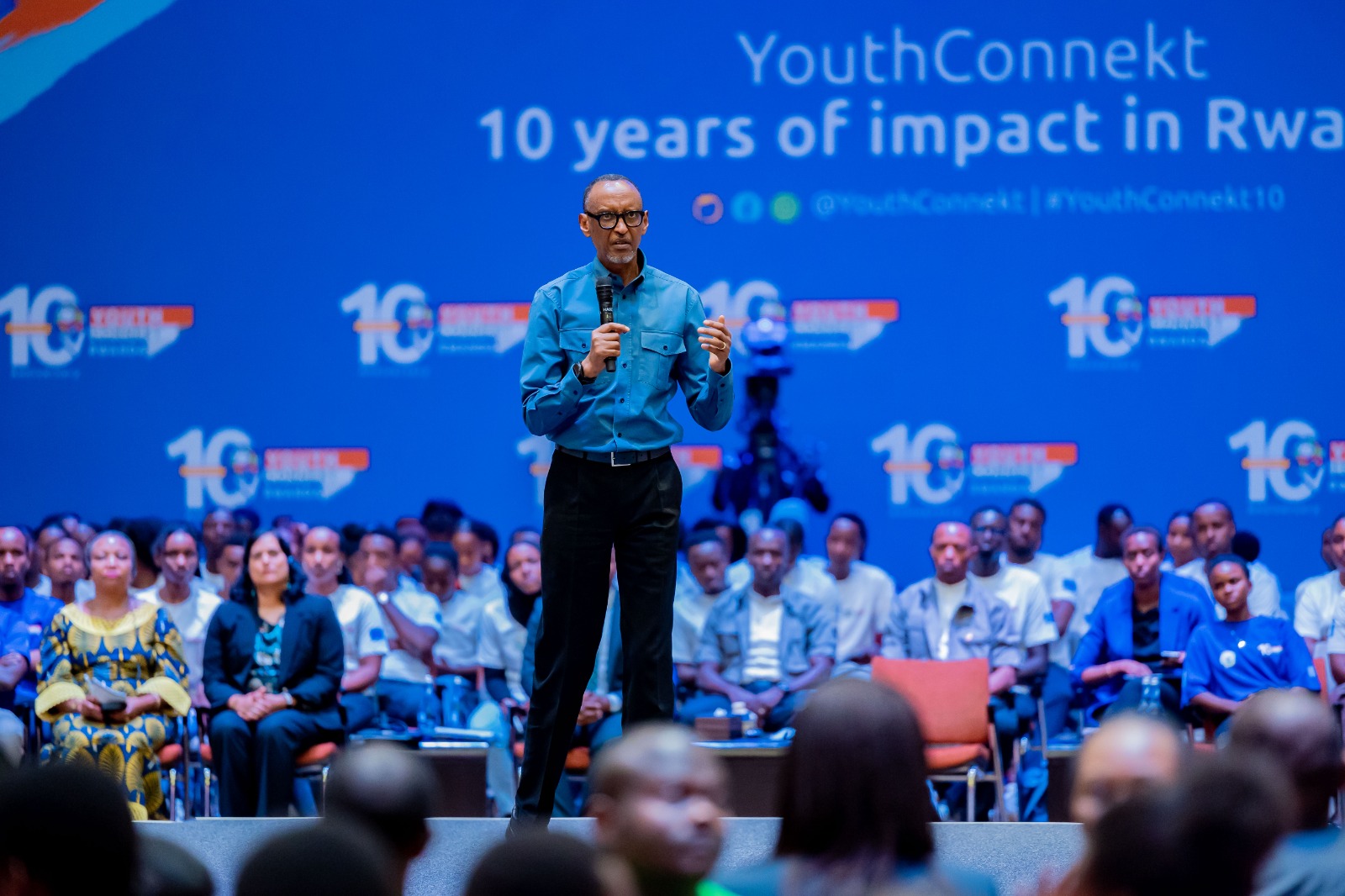
The strong showing comes amid Rwanda’s continued emphasis on youth development, entrepreneurship, self-reliance and economic participation under President Paul Kagame’s administration.
Kagame has consistently positioned young people as key drivers of national transformation, innovation and economic growth, urging them to embrace self-reliance and play an active role in building the country’s future.
The Rwandan result contrasts sharply with sentiment in several other African economies, where large majorities of young people believe their countries are moving in the wrong direction.
The 2026 African Youth Survey, commissioned by the Ichikowitz Family Foundation and conducted by PSB Insights, interviewed young people aged 18 to 24 across 16 African countries in March 2026. The countries surveyed included Rwanda, Zimbabwe, Kenya, South Africa, Nigeria, Mozambique, Chad, Ghana, Zambia, Ethiopia, Somalia, Liberia, Togo, Burkina Faso, Congo-Brazzaville and the Democratic Republic of Congo.
Across the eight countries tracked consistently over successive editions, 47% of young Africans said their countries were moving in the right direction, up from 30% in 2024. Confidence in national economies also improved, with 45% saying their economy was moving in the right direction, compared with 26% in 2024.
However, the overall improvement masks significant differences between countries.
Young people in Kenya, South Africa, Mozambique, Chad and Nigeria were among the most pessimistic about their countries’ direction, while Rwanda recorded the strongest confidence.
Rwanda stands out
Rwanda’s 91% rating is the strongest result recorded for national direction in the 2026 survey. The country also recorded the highest safety rating, with 99% of Rwandan youth saying they feel safe.
Rwanda also performed strongly on perceptions of the national economy. The combination of strong confidence in the country’s direction, economic prospects and personal safety gives Rwanda one of the most positive youth outlooks in the 2026 survey.
The findings are significant for businesses and investors because young people represent a major share of Africa’s emerging workforce, consumer market and entrepreneurial base.
Sharp contrast elsewhere
At the other end of the spectrum, Mozambique recorded one of the highest levels of youth dissatisfaction, with 85% saying the country was moving in the wrong direction.
Chad followed with 80%, while Kenya, South Africa and Nigeria were also among the countries recording particularly negative sentiment about national direction.
Kenya’s results were particularly notable, with 27% of young Kenyans describing themselves as pessimistic about their country’s future, the highest proportion recorded in the survey.
The contrasting results underline the wide variation in how Africa’s young population views economic prospects, governance, security and opportunities across the continent.
Jobs and cost of living remain major concerns
Despite the improvement in overall optimism, economic pressures remain a major concern for young Africans.
The rising cost of living was identified as the development that had the biggest impact on Africa over the previous five years, selected by 27% of respondents. When asked what Africa most needs to progress, 27% prioritised the creation of new, well-paying jobs, while 25% identified reducing government corruption.
The findings reinforce the importance of employment and economic opportunity to Africa’s young population.
For businesses and investors, the continent’s youth demographic represents both a growing consumer market and a potential source of labour, entrepreneurship and innovation. However, the survey suggests that young Africans increasingly expect governments and the private sector to create tangible economic opportunities.
A more pragmatic African youth
The survey also points to a more pragmatic approach among Africa’s young population towards international partnerships.
Some 60% of respondents said their countries should build strong alliances with one or two major global powers to secure long-term benefits, while 37% preferred neutrality. When choosing international partners, 43% prioritised infrastructure and economic investment, followed by respect for natural resources at 39%.
The findings suggest that young Africans are increasingly assessing international relationships through the lens of economic opportunity, investment, jobs, technology and national sovereignty.
For Rwanda, the 91% confidence rating provides a particularly strong indication of how the country’s young population views its national trajectory.
At a continental level, however, the survey presents a more complex picture: optimism is rising, but young Africans continue to demand jobs, lower living costs, cleaner government, greater security and a stronger role in shaping their countries’ futures.