
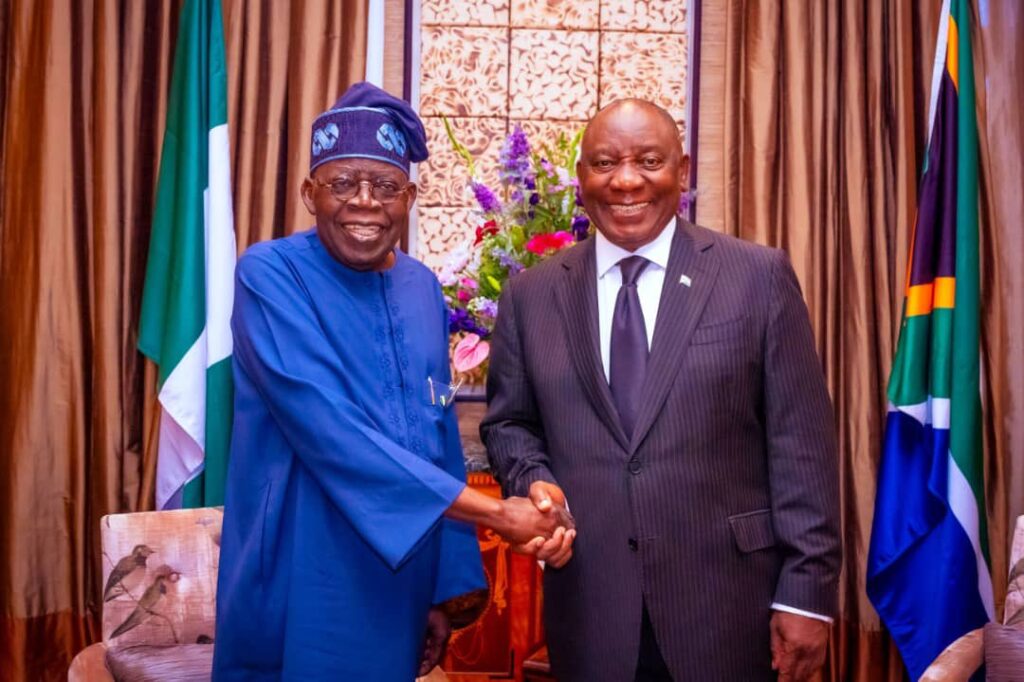


Nigeria and South Africa are among five African countries that could face higher tariffs on exports to the United States under a new trade proposal targeting imports linked to forced labour.
- Nigeria, South Africa and three other African countries have been listed among 54 economies facing potential new US trade penalties.
- The proposed measures stem from a US investigation into alleged failures to adequately block imports linked to forced labour.
- If implemented, additional duties could raise tariff rates on affected exports, potentially reducing competitiveness in the US market.
- The proposal remains under public consultation, allowing affected countries to respond before any final decision is made.
The move, announced by the Office of the United States Trade Representative (USTR), places Nigeria alongside Algeria, Egypt, Morocco and South Africa on a list of economies accused of failing to adequately prohibit or enforce restrictions on goods produced with forced labour.
If approved, the proposal could make it more expensive for affected countries to sell products into one of the world’s largest consumer markets, raising fresh concerns about trade competitiveness and export earnings.
The USTR said its Section 301 investigation found that 54 economies had neither implemented sufficient bans nor effectively enforced measures against imports tied to forced labour. The agency argued that weak enforcement creates unfair advantages by lowering production costs and distorting international trade.
Under the proposal, affected countries could face an additional tariff of between 10% and 12.5%, on top of an existing 10% baseline duty. For countries such as Nigeria, total tariffs could rise to 27.5%.
US Trade Representative Jamieson Greer said Washington would no longer accept what it sees as unequal trade practices.
“The failure of our most important trading partners to address the importation of goods made with forced labour is unacceptable. We will no longer tolerate this disparity,” Greer said.
The proposed measures extend beyond Africa, affecting major trading partners including China, India, Vietnam, Brazil and the United Kingdom.
However, the tariffs are not yet final. The proposal will undergo a public consultation process before any decision is implemented, giving affected countries an opportunity to respond and potentially avoid penalties.
For African exporters already navigating a challenging global trade environment, the outcome could have significant implications for market access and competitiveness in the US.
Business Insider Africa