




















Transport costs are often three times higher than the global average, and most bulk minerals are still transported by road rather than rail.
Africa’s struggle to move minerals efficiently from mine to market is not mainly a financing problem, but one of planning and coordination.
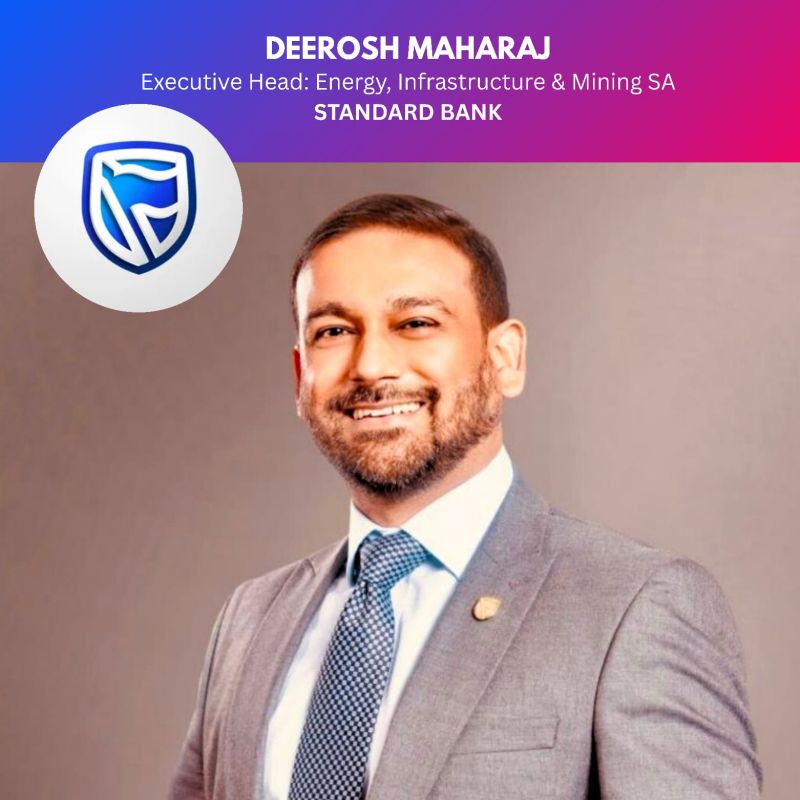
Deerosh Maharaj, Standard Bank’s executive head of energy, infrastructure and mining, says the continent’s infrastructure challenges are often approached in isolation rather than as part of an “integrated system”.
Speaking during a panel discussion on large-scale pit-to-port infrastructure development across Africa, Maharaj said: “It not about the capital,” but rather that successful projects require a full understanding of the value chain from mine to port.
Infrastructure development must consider how mining, energy, water and transport networks are linked, rather than treating each component as a standalone project.
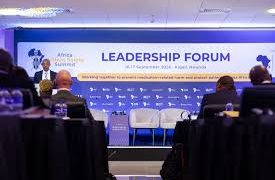
The discussion, which took place at the Africa Energy Forum in Cape Town, was moderated by Nancy Rivera, managing director of the US International Development Finance Corporation.
Participants in the panel discussion were government officials, financiers and logistics experts who spoke about what is needed to move minerals from mine sites to export markets more efficiently.
Logistics costs
A recurring theme was the high cost of logistics across Africa.
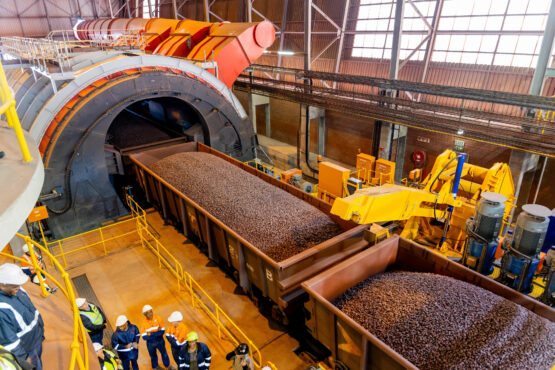
Mohammed Mahomedy, head of rail infrastructure at DP World, said logistics costs on the continent are often three times higher than the global average, while Consulmet CEO Lwazi Ngubevana noted that most bulk minerals are still transported by road rather than rail.
Rivera pointed to the challenges facing the Lobito Corridor, noting that trucks in the Democratic Republic of the Congo (DRC) can take up to 10 days to reach the corridor.
The Lobito Corridor links the mining regions of Zambia and the DRC with Angola’s port of Lobito.
She added that greenfield rail projects are “not for the faint-hearted”, despite significant untapped opportunities for brownfield developments across the continent.
Border bottlenecks
Even where rail infrastructure exists, ports often remain a major bottleneck.
Mahomedy said trucks can spend as long as seven days at a border post before facing a further seven-day wait at ports where loading processes are not mechanised.
He argued that infrastructure planning needs to take a “multi-modal approach” that addresses constraints across the entire value chain.
Mahomedy cited the Port of Dakar in Senegal, where DP World is in its 18th year of a concession agreement, as an example of how port operations can be improved. He also highlighted efficiency gains at the Port of Dar es Salaam, where infrastructure upgrades have significantly improved operations.
South Africa on the other hand has only one container terminal concession, with the remainder operated by Transnet through its ports authority.
Mahomedy urged African governments to make more infrastructure concessions available to the private sector, saying the model has delivered positive results in several markets.
Delegates repeatedly stressed the importance of integrated transport corridors.
Rivera said ministers responsible for mining, energy and transport frequently work in silos, arguing that coordinated planning across departments is essential.
“We need all these ministers in one room,” she said, adding that corridor development creates benefits over and above mining royalties by stimulating local economic activity in surrounding communities.
moneyweb.co.za
Liesl is a financial journalist from Cape Town with experience in covering politics, macroeconomics and personal finance. She holds an MPhil (Journalism) degree from the University of Stellenbosch.