

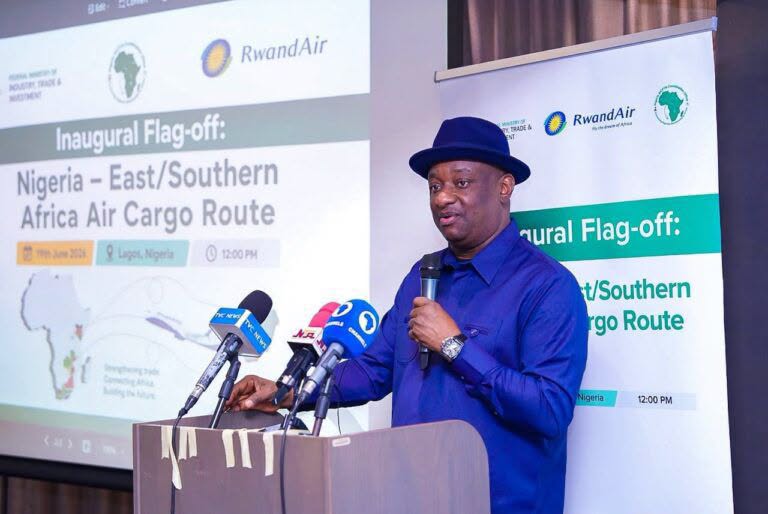
Nigeria’s export sector has received a major boost with the launch of the new Nigeria-RwandAir cargo corridor connecting Lagos to Kigali, Lusaka, and Harare.


The initiative is expected to significantly reduce cargo freight costs for Nigerian businesses while opening faster access to key East and Southern African markets.
For exporters, MSMEs, agro-processors, and fashion brands, this development could reshape how businesses export goods from Nigeria under the growing framework of the African Continental Free Trade Area.
Why the Nigeria-RwandAir Cargo Corridor Matters
The newly introduced Nigeria-RwandAir cargo corridor is designed to improve trade connectivity between West Africa and emerging African commercial hubs.
Previously, many Nigerian exporters struggled with expensive freight costs, limited cargo routes, and long delivery timelines when shipping to East and Southern Africa. In some cases, cargo charges reportedly reached as high as $10 per kilogram, making many products uncompetitive abroad.
With the new arrangement, freight rates have reportedly dropped to below $2 per kilogram for selected cargo categories, creating a major opportunity for Nigerian businesses seeking regional expansion.
Core Benefits of the New Cargo Corridor
Drastic Reduction in Cargo Freight Costs
One of the biggest highlights of the new corridor is the sharp decline in shipping costs.
- Cargo freight rates have reportedly dropped from as high as $10/kg to below $2/kg
- Lower logistics costs mean better profit margins for exporters
- Small businesses and MSMEs can now compete more effectively in African markets
- Reduced shipping expenses make Nigerian products more attractive to regional buyers
This is especially important for sectors like fashion, agriculture, processed foods, and cosmetics where freight costs heavily impact pricing.
Direct Access to New African Markets
The corridor creates direct cargo access from Nigeria to:
- Kigali, Rwanda
- Lusaka, Zambia
- Harare, Zimbabwe
These cities are growing trade and distribution hubs within Africa and provide Nigerian exporters with access to millions of consumers across East and Southern Africa.
For many Nigerian businesses, this means shorter transit times, fewer middlemen, and improved reliability in cross-border logistics.
Boost for AfCFTA and Intra-African Trade
The launch also aligns strongly with the objectives of the African Continental Free Trade Area, which aims to strengthen trade among African countries.

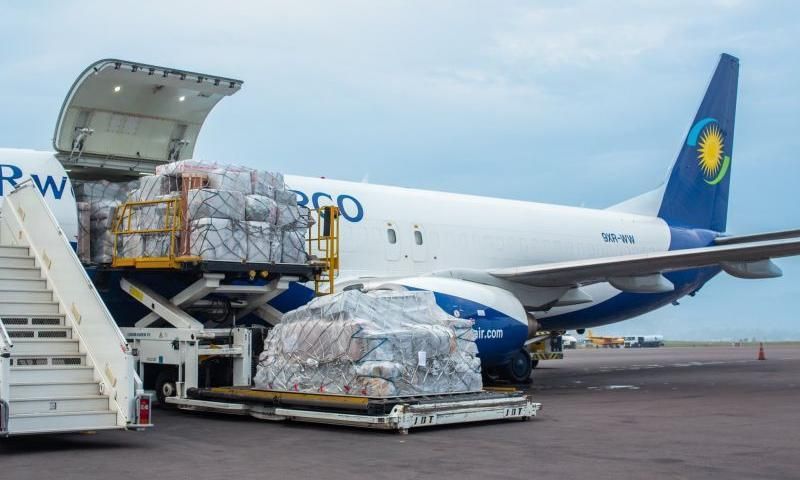
One of the biggest barriers to intra-African commerce has been logistics inefficiency and high transportation costs. By improving cargo connectivity between Nigeria and other African economies, the Nigeria-RwandAir cargo corridor supports:
- Easier movement of goods across Africa
- Increased regional trade opportunities
- Expansion of Nigerian-made products into new markets
- Stronger supply chain integration within the continent
As AfCFTA continues to evolve, logistics partnerships like this could become critical for Nigeria’s non-oil export growth.
What Nigerian Exporters Can Ship
The new cargo corridor is expected to benefit multiple industries across Nigeria.
Agro and Agricultural Products
Nigerian agricultural producers can now export goods from Nigeria more competitively, including:
- Dried foods
- Spices
- Cocoa products
- Sesame seeds
- Processed cassava products
- Ginger and hibiscus
- Packaged farm produce
The lower cargo costs are particularly beneficial for perishable and semi-processed products that require faster delivery times.
Fashion and Textile Exports
Nigeria’s fashion industry also stands to benefit significantly.
Exporters can now ship:
- Ready-to-wear clothing
- Ankara fabrics
- Footwear
- Leather products
- Fashion accessories
- Handmade crafts
The reduced logistics costs may help Nigerian fashion brands expand into East African retail markets more aggressively.
Beauty, Cosmetics, and Consumer Goods
Beauty and lifestyle brands can also leverage the route for exports such as:
- Organic skincare products
- Hair products
- Cosmetics
- Soaps and fragrances
- Packaged household items
This could open new opportunities for Nigerian brands targeting Africa’s rapidly growing middle class.
How Businesses Can Get Started
Exporters interested in using the Nigeria-RwandAir cargo corridor are advised to begin preparations early, especially during the initial rollout phase.
Contact Licensed Freight Forwarders
Businesses should work with licensed freight forwarding companies experienced in African cargo logistics. Freight agents can assist with:
- Cargo documentation
- Customs procedures
- Packaging requirements
- Route coordination
- Export compliance
Visit the RwandAir Cargo Desk at MMIA Lagos
Interested exporters can also contact the RwandAir cargo desk at:
- Murtala Muhammed International Airport (MMIA), Lagos
Businesses are encouraged to inquire about:
- Cargo schedules
- Weight requirements
- Approved product categories
- Freight pricing
- Booking procedures
Register Through Official Government Channels
Exporters should also monitor official government trade and aviation channels for registration opportunities tied to the initial cargo flights.
Early participation may provide businesses with better pricing advantages and faster onboarding into the new corridor network.
Opportunities for Nigerian MSMEs
The corridor could become a game changer for Nigerian small businesses looking to scale beyond local markets.
For years, many MSMEs struggled with:
- Expensive international logistics
- Delayed shipping timelines
- Limited African distribution channels
- High export entry barriers
By lowering cargo freight rates in Nigeria and improving access to East and Southern Africa, smaller businesses now have a more realistic pathway into continental trade.
This may particularly benefit:
- Women-led businesses
- Agro-processing startups
- Fashion entrepreneurs
- Export cooperatives
- Youth-owned SMEs
The Bigger Picture for Nigeria’s Export Economy
Nigeria has long depended heavily on oil revenue, but policymakers have increasingly pushed for non-oil export diversification.
Initiatives like the Nigeria-RwandAir cargo corridor could support:
- Increased foreign exchange earnings
- Higher non-oil exports
- Regional manufacturing growth
- Job creation within logistics and production sectors
If sustained properly, the route may become one of the most important trade bridges linking West Africa with Eastern and Southern African economies.

FAQs
What are the new cargo destinations under the Nigeria-RwandAir cargo corridor?
The new cargo route connects Lagos, Nigeria to:
- Kigali, Rwanda
- Lusaka, Zambia
- Harare, Zimbabwe
These destinations improve Nigeria’s trade access to East and Southern Africa.
How much does the new cargo flight cost?
Cargo freight rates have reportedly dropped from as high as $10 per kilogram to below $2 per kilogram for selected shipments, depending on cargo category and volume.
Who can use the new cargo corridor?
The corridor is open to:
- Nigerian exporters
- MSMEs
- Agricultural producers
- Fashion and textile businesses
- Cosmetics brands
- Logistics companies
Where can exporters make inquiries?
Exporters can contact licensed freight forwarders or visit the RwandAir cargo desk at Murtala Muhammed International Airport (MMIA) in Lagos for booking and cargo information.
Why is this important for AfCFTA?
The route supports the goals of the African Continental Free Trade Area by improving intra-African trade, lowering logistics costs, and helping African businesses trade more efficiently across borders.
nigeriawide.com