


















By a Correspondent

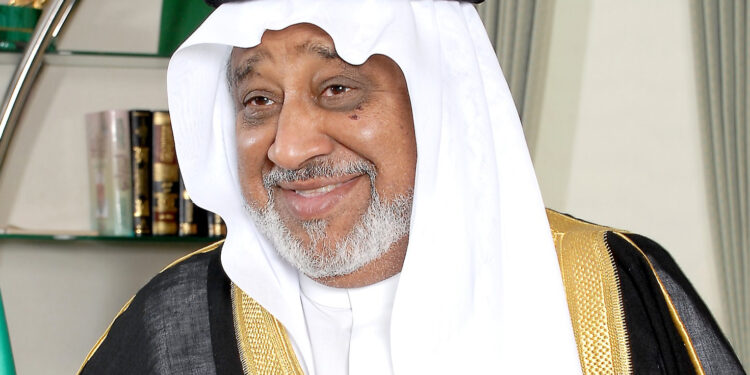
Ethiopian-born Saudi billionaire Mohammed Al-Amoudi has re-entered the exclusive club of individuals worth more than US$10 billion, after his fortune surged by about $1.7 billion since the beginning of the year.
According to the Bloomberg Billionaires Index, Al-Amoudi’s net worth reached an estimated $10.1 billion, representing a 19.7% increase in 2026. The latest rise places him among the world’s wealthiest individuals and reinforces his position as Ethiopia’s richest businessman.
The Bloomberg ranking places Al-Amoudi at number 375 globally, with his fortune increasing by approximately $1.67 billion since the start of the year. His wealth also rose by $33.7 million in the latest daily update reported by Bloomberg.
The rebound highlights the value of Al-Amoudi’s diversified business empire, which has interests spanning energy, mining, infrastructure, agriculture, property and industrial investments across Ethiopia, Saudi Arabia and Sweden.
A significant pillar of his fortune has historically been Preem, Sweden’s major oil-refining business, while his Ethiopian interests are largely associated with MIDROC, one of the country’s largest privately owned business groups.
Al-Amoudi built his fortune initially through construction and real estate in Saudi Arabia before expanding into energy, agriculture and mining. His business interests in Ethiopia include investments in agriculture, cement production and gold mining, while his wider portfolio has included oil and energy assets.
The billionaire’s latest wealth surge comes despite continued differences between major wealth-ranking organisations over how his assets should be valued.
While Bloomberg’s real-time index now puts his fortune above the $10 billion threshold, Forbes does not currently include Al-Amoudi on its 2026 World’s Billionaires list. The discrepancy reflects differences in valuation methodologies and the treatment of privately held assets. Earlier in 2026, Bloomberg had estimated his wealth at about $9.12 billion, while Forbes excluded him from its annual ranking.
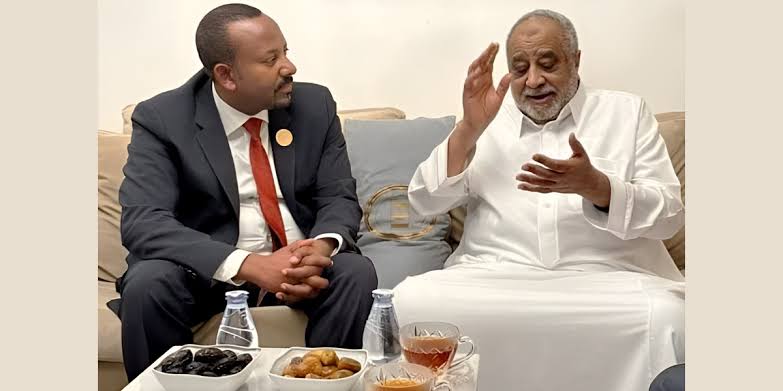
Al-Amoudi’s wealth trajectory has also been shaped by significant personal and business upheaval. He was detained in Saudi Arabia in 2017 as part of the kingdom’s high-profile anti-corruption crackdown and was released in January 2019 after more than a year in custody. Before his detention, Forbes had valued his fortune at more than $10 billion.
His return to the $10 billion bracket is significant for Ethiopia, where he remains one of the country’s most prominent private-sector investors and business figures. His conglomerate’s interests have created a broad footprint across sectors that are central to the country’s economic ambitions, including manufacturing, agriculture, infrastructure and natural resources.
The surge also underscores the growing influence of African-linked billionaires whose fortunes are built across multiple jurisdictions. Al-Amoudi’s business empire straddles Africa, the Middle East and Europe, making his wealth sensitive not only to conditions in Ethiopia but also to movements in global commodity markets, energy valuations and the performance of private industrial assets.
For Ethiopia, his resurgence is particularly notable at a time when the country is seeking to attract greater private investment and expand domestic industrial capacity. Al-Amoudi’s long-standing presence in sectors such as agriculture, manufacturing and mining places him among the most consequential private investors linked to the country’s economic development.
However, the Bloomberg estimate should be viewed as a dynamic valuation rather than a measure of readily available cash. Billionaire rankings typically calculate net worth based on estimated values of public and private assets, meaning fortunes can rise or fall sharply as market valuations and asset estimates change.
For now, Al-Amoudi’s return to the $10 billion club marks a notable recovery in his estimated wealth and places Ethiopia’s richest businessman once again among the world’s ultra-wealthy, even as questions over the precise value of his private holdings continue to separate the major billionaire rankings