
By Political Reporter


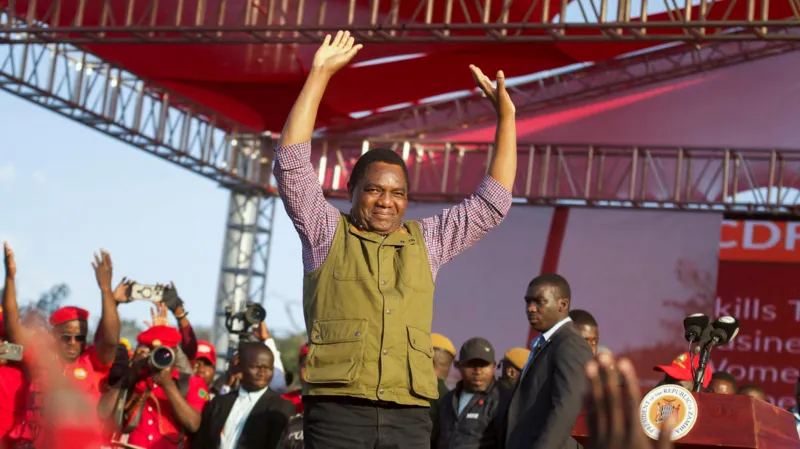
LUSAKA — Zambian President Hakainde Hichilema has won a second five-year term after securing about 60% of the vote in last week’s presidential election, according to official results announced by the Electoral Commission of Zambia (ECZ) on Tuesday.
Hichilema, 64, defeated his closest challenger, Brian Mundubile, who received about 38% of the vote. The result gives the incumbent a fresh mandate to pursue his economic reform programme, including debt restructuring, attracting foreign investment and expanding copper production.
Hichilema came to power in 2021 promising to revive an economy struggling with a heavy debt burden. His first term saw Zambia make progress on debt restructuring and improve relations with international lenders, while investment in the mining sector increased.

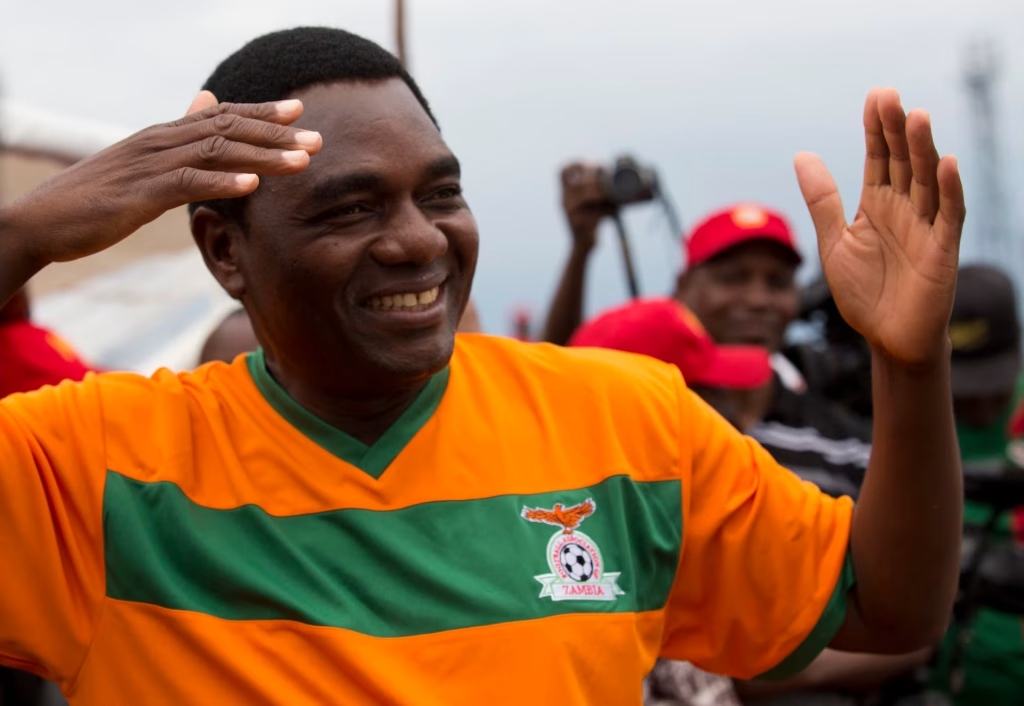
The economy has since stabilised, but the president enters his second term under pressure to ensure that the gains are felt by ordinary Zambians. High living costs, unemployment and pressure on household incomes remain major concerns despite improvements in some economic indicators.
Copper will remain central to Hichilema’s economic agenda. Zambia is seeking to increase production and attract more investment into the sector as it attempts to generate jobs, increase government revenues and accelerate economic growth.
Hichilema, who campaigned on his record of economic recovery, called for national unity after being declared the winner and reached out to voters who supported his opponents.
“We are truly humbled by the trust you have placed in our hands,” he said, promising to work for all Zambians.
However, the election was not without controversy. Mundubile had earlier claimed victory and alleged irregularities in the counting process. The opposition also raised concerns over the arrest of several senior opposition figures following an armed raid in Lusaka.
Authorities said those arrested were linked to alleged plans to undermine national security, allegations rejected by the opposition.
The ECZ also briefly suspended the counting of votes after reports of violence against election officials and the theft of marked ballot papers, before resuming the process.
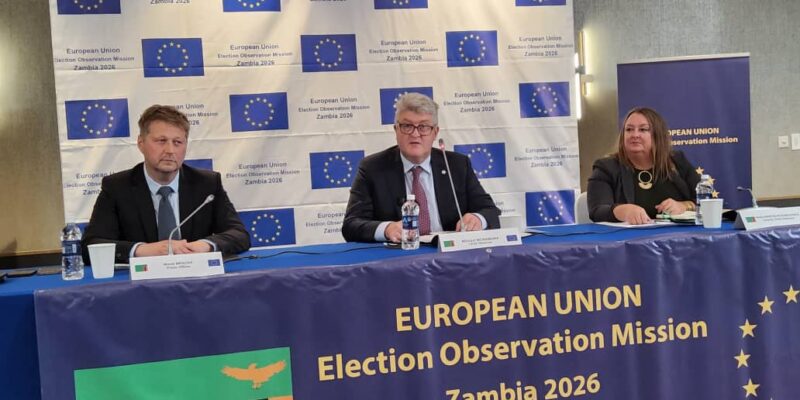
Although election day was largely peaceful, international observers raised concerns about the broader electoral environment, including restrictions on opposition activities and media access. The European Union observer mission said the campaign had been conducted on an “uneven” playing field.

The outcome nevertheless preserves Zambia’s record of transferring power through elections and gives Hichilema another five years to implement his economic programme.
His biggest challenge now will be converting macroeconomic improvements into higher incomes, more jobs and lower living costs for ordinary Zambians while maintaining political stability and investor confidence.