
By Kudzai Jakachira


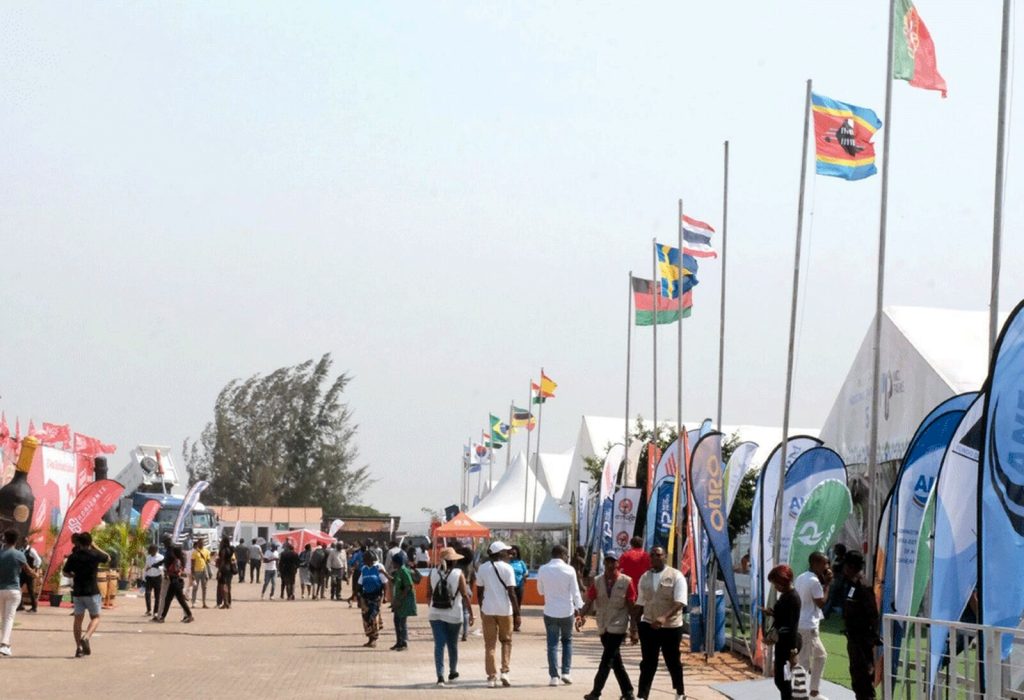
The 2026 edition of the Maputo International Trade Fair (FACIM) is expected to provide a major platform for accelerating intra-African trade, investment and industrial cooperation as businesses from across the continent converge in Mozambique.
The trade fair, one of southern Africa’s major business showcases, comes at a time when African countries are seeking to reduce their dependence on overseas markets, strengthen regional value chains and make greater use of the opportunities created by the African Continental Free Trade Area (AfCFTA).
FACIM 2026 provides an important meeting point for companies, investors, governments and other economic players looking to build commercial relationships across national borders.
For Africa, the significance of the event extends beyond the exhibition of products and services. It provides an opportunity for businesses to identify new markets, establish distribution networks, secure investment and develop partnerships that can contribute to the emergence of stronger continental supply chains.

Driving intra-African trade
One of the biggest challenges facing African economies is the relatively low level of trade between countries on the continent compared with trade with external markets.
FACIM can help address this gap by bringing producers and buyers from different African markets into direct contact.
Companies participating in the fair can explore opportunities to source raw materials, machinery, technology and services from other African countries instead of relying exclusively on suppliers outside the continent.
This has the potential to retain more value within African economies while creating new opportunities for manufacturers, farmers, transporters, logistics companies and financial institutions.
The event is also expected to promote the exchange of information on market requirements, regulations, consumer demand and investment opportunities, helping businesses better understand markets beyond their home countries.
Strengthening African value chains
A stronger continental manufacturing base requires African countries to develop interconnected value chains rather than operating as isolated economies.
FACIM provides a platform for companies to explore such linkages.
A manufacturer in one country, for example, can identify agricultural suppliers elsewhere on the continent, while logistics operators, banks, technology companies and distributors can provide the infrastructure needed to move products across borders.
Such partnerships could help African countries move away from exporting predominantly raw commodities towards processing and manufacturing products with higher value.
This is particularly important for sectors such as agriculture, mining, energy, pharmaceuticals, construction, automotive manufacturing and food processing.
Investment across borders
FACIM also creates an avenue for African investors to identify opportunities outside their domestic markets.
Greater intra-African investment can help mobilise capital for infrastructure, industrial projects and businesses that require expansion financing.
For countries in southern Africa, increased investment flows could support the development of regional production centres linked by road, rail and port infrastructure.
Mozambique’s strategic position on the Indian Ocean also gives the trade fair wider significance because its ports and transport corridors provide connections between landlocked economies and international markets.
The country’s links with Zimbabwe, Malawi, Zambia, South Africa and other regional economies mean that increased commercial activity in Mozambique can have spillover effects across the Southern African Development Community (SADC).
Supporting AfCFTA
The trade fair also aligns with the objectives of the AfCFTA, which seeks to create a single African market for goods and services and progressively remove barriers to trade between African countries.
Events such as FACIM provide a practical mechanism for turning those ambitions into commercial relationships.
While trade agreements establish the framework for commerce, businesses still need buyers, suppliers, financiers, logistics partners and distributors to make cross-border trade work.
Trade exhibitions can help create those connections.
The success of the AfCFTA will ultimately depend not only on governments implementing agreements but also on African companies taking advantage of the new market opportunities.
A platform for African economic integration
The broader importance of FACIM 2026 lies in its potential to turn regional economic integration from a policy objective into practical business activity.
As African economies confront high logistics costs, limited industrial capacity, fragmented markets and dependence on imported manufactured goods, stronger commercial links between countries are increasingly important.
A successful FACIM could therefore generate benefits extending well beyond Mozambique.
More trade between African countries means larger markets for African producers, greater opportunities for investment, stronger regional supply chains and potentially more jobs.
The fair comes at a critical juncture for the continent, with African governments under pressure to create jobs for a rapidly growing population while building more resilient and diversified economies.
If the business connections created at FACIM translate into actual contracts, investments and long-term partnerships, the event could contribute to a more integrated African economy in which countries increasingly trade with and invest in one another.
For Africa, the real measure of FACIM 2026 will therefore not be the number of exhibitors or visitors it attracts, but how many lasting commercial relationships emerge from the gathering—and how much of that business remains within the continent.